
![Hello Kitty [HORROR]](https://printiloveyou.com/wp-content/uploads/2025/03/hello-kitty-horror.jpg "Hello Kitty [HORROR]")


Is It Scary? Age Guide
The store page promises a cute romance. The tags say psychological horror. Both are true, and that split is exactly why so many people search for this question before buying. Here is a clear picture of what you are signing up for, without spoiling the twist itself.
Short Answer
It is not scary in the jump-scare sense. There are no monsters lunging at the screen, no chase sequences and no loud stingers designed to make you flinch. What it does have is a sharp tonal turn: a sweet, doodle-style love story that slowly reveals something uncomfortable underneath. The fear is emotional, not physical. Most adults finish it feeling uneasy or sad rather than frightened. If you’d rather judge for yourself, you can play Print I Love U on our home page, alongside a detailed review of the game.
If you are someone who can’t handle horror games at all, you will probably be fine here. If you are someone who is sensitive to stories about unhealthy relationships, read the theme section below first.
How the Horror Is Built
The cute layer
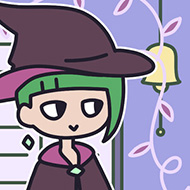
The first part of the game is deliberately gentle. Hand-drawn characters, pastel hearts, cozy sweaters, chirping birds while you read short diary notes, and bouncy minigame music. Everything is designed to feel like a small handmade gift.
The turn
When the tone shifts, it shifts through presentation rather than violence. The palette collapses into black and blood-red, the friendly cat sounds and visuals become distorted, and the soundtrack moves from playful to heavy and melancholic. Reviewers repeatedly mention bracing for a jump scare that never comes, which somehow makes those moments more tense.
What you won’t see
- No gore-focused scenes or graphic injury close-ups.
- No sudden full-screen scare faces.
- No enemies, combat or fail states that punish you with a scare.
Themes Worth Knowing About
The real weight of the game is in its subject matter. Without giving away the reveal, these are the areas it deals with:
- One-sided love and fixation. The in-game project is a love letter built by someone for a specific person, and the story examines what that devotion looks like from the outside.
- Boundaries and consent. Several critics came away reading the game as a story about respecting a boundary and about feeling safe enough to set one.
- Emotional pain. Small visual hints suggest the girl at the center of the story is going through something genuinely painful. Some players say the ending touches on experiences they recognized from their own lives.
- Unsettling imagery. Red-and-black visuals and distorted versions of previously cute elements.
The Steam page itself carries a general notice that the game may include content not suitable for all ages. One reviewer put it more bluntly and asked readers not to let children play it.
Age Recommendations
| Age group | Recommendation | Why |
|---|---|---|
| Under 13 | Not recommended | The cute art is misleading; the themes of obsession and emotional harm are aimed at older players. |
| 13–16 | With a parent’s judgment | No graphic horror, but the relationship themes can hit hard. Best played with someone to talk to afterwards. |
| 17+ | Suitable | The intended audience. Short, reflective, more sad than scary. |
For Parents: What to Check
If your teen wants to play, the easiest approach is to watch the first ending together or play it yourself. A full run takes around fifteen minutes (see How Long to Beat), so it costs you almost nothing to preview. Things worth talking about afterwards:
- Why “winning” the love tests leads to the worse outcome.
- What a healthy boundary looks like and why it matters to respect one.
- The difference between a romantic gesture and pressure.
Handled that way, the game can actually be a useful conversation starter rather than something to shield a mature teen from.
How It Compares to Similar Games
The developer has openly named Milk inside a bag of milk inside a bag of milk as an inspiration, and the comparison holds: short, intimate, more about feeling than scaring. Players also compare it to Doki Doki Literature Club for its cute-to-dark switch and to Omori for mixing cheerful visuals with a sinister undertone. On intensity, it sits well below DDLC. There are no shock images of that kind; the discomfort comes from what the story implies.
Tips for Sensitive Players
- Play with the lights on and the volume moderate; the sound design does a lot of the heavy lifting in the dark sections.
- Stop after the first ending if you want. It is a complete, gentler conclusion on its own, and our Full Walkthrough shows exactly where it comes.
- If you want to know what the second ending contains before committing, read our Endings Explained page, which is clearly marked for spoilers.
- If the themes hit close to home, take a break. The game is short, so there is no pressure to push through in one sitting.
Moment-by-Moment Intensity
If you want to know exactly where the uncomfortable parts are, here is how the experience builds, without revealing the story itself:
| Section | Intensity | What to expect |
|---|---|---|
| Opening note | Low | Silent, text-only message from the “publisher.” Mysterious, not scary. |
| The Alice question | Low | A yes-or-no choice. Refusing leads to a short comic reaction. |
| Diary notes and love tests | Very low | Cute art, birdsong, cheerful music, simple minigames. |
| First ending | Low | The happier conclusion, with a hint that something isn’t finished. |
| Waiting on the final screen | Low to medium | A harsh, modem-like noise eventually plays. It can startle you if you aren’t expecting it. |
| True ending path | Medium | Black-and-red palette, distorted cute elements, heavy music, emotionally difficult themes. |
| Secret message | Medium (emotional) | A personal, partly crossed-out message. Sad rather than frightening. |
Content Checklist
| Content type | Present? | Notes |
|---|---|---|
| Jump scares | No | Tension comes from tone shifts, not sudden frights. |
| Graphic gore | No | Red imagery is stylized and hand-drawn. |
| Disturbing imagery | Yes, mild | Cute elements become dark and distorted. |
| Unhealthy relationship themes | Yes | Central to the story. |
| Emotional distress | Yes | Implied through visual hints and the true ending. |
| Sexual content | No explicit content | The romance is presented through hand-holding, shopping and a date. |
| Harsh sounds | Yes, one | The modem-like noise on the first ending’s final screen. |
| Strong language | Not a feature of the game | The tone is gentle on the surface. |
Why the Cute Style Can Mislead
The biggest risk with this game isn’t what it shows. It’s who it attracts. Pastel hearts, doodled characters and cats make it look like something aimed at young kids, and a younger sibling could easily pick it up expecting a sweet dating game. The art style is a deliberate disguise, and that’s part of what makes the story work for adults. For children, it’s a reason to check first.
The same goes for gameplay clips on social media. Short videos of the love tests look completely harmless. The darker content only appears on the second path, which most short clips don’t show.
Talking With Teens About the Story
For older teens, the game can be a genuinely useful prompt for conversations that are otherwise awkward to start. The story is about one person’s feelings being imposed on another, and it’s told gently enough that nobody feels lectured. Some approaches that work well:
- Ask what they noticed first. Let them describe when the story started to feel wrong. It’s a natural way into talking about warning signs.
- Discuss the “No” button. The game won’t continue if you say you aren’t Alice. Ask why the designer made that choice and what it says about the character who built the game.
- Talk about grand gestures. A handmade game is a huge romantic gesture. Is a big gesture always a good thing if the other person didn’t ask for it?
- Keep it open. The game doesn’t give neat answers, so the conversation doesn’t need to either.
For Streamers and Content Creators
The game is popular for short streams and videos because it’s quick, surprising and easy to follow. If your audience is mixed-age or you want to avoid surprises:
- Mention that it’s a psychological story with mature relationship themes before you start.
- Lower your audio before waiting on the first ending’s final screen. The modem-like noise is sharp, especially through a stream mix.
- Consider stopping after the first ending on family-oriented streams and covering the true ending separately with a clear warning.
- Avoid showing the secret message in thumbnails or titles. It’s one of the most personal parts of the game, and players appreciate discovering it themselves.
Quick Answers for Different Players
If you love horror
You’ll probably find it mild. Go in for the story and the twist rather than scares, and you’ll get more out of it. The unease builds after the credits, not during them.
If you usually avoid horror
This is one of the gentler games carrying the tag. There’s nothing to run from and nothing that jumps at you. The main thing to prepare for is the emotional weight of the true ending.
If you enjoy cozy games
The first half will feel familiar and sweet. Just know that the cuteness is a setup. If you want to keep the experience cozy, you can stop after the first ending.
If relationship themes are hard for you
The story deals with one-sided feelings, pressure and boundaries. If those subjects are difficult for you right now, read the Story Explained page first so you know what’s coming, or skip the true ending entirely. There’s no achievement worth feeling bad over.
If you’re a parent
Preview it yourself. It’s short, it’s inexpensive, and seeing both endings will tell you more than any rating. The game’s content is more about ideas than images, so a conversation is often more useful than a flat yes or no.
Before-You-Play Checklist
- Sound on, but not at maximum. One noise is harsh.
- About twenty minutes free, with no pressure to rush.
- A clear idea of whether you want to see both endings or just the first.
- Someone to talk to afterwards if you’re younger or if the themes are personal to you.
- Are there jump scares? No. The tone shifts through color, music and imagery, but nothing leaps at the screen.
- Is there blood? The later sections use a blood-red palette and dark imagery. It is stylized and hand-drawn rather than realistic.
- Is the first ending scary? The first ending most players reach is actually the happier of the two. The darker material lives mainly on the second path.
- Can a streamer play it on a family-friendly channel? The visuals are not graphic, but the relationship themes are mature. Treat it like a PG-13 psychological drama and give viewers a heads-up.
- Is there an official age rating I can check? The Steam page includes a general notice that the content may not be suitable for all ages. Because the game is short, previewing it yourself is the most reliable way to decide.
- Will it give my kid nightmares? It’s unlikely to cause the kind of fright a monster game does. The harder part is understanding the relationship themes, which is why we suggest 13+ with a parent’s judgment.
- Is the harsh noise dangerous for headphones? No, but it’s sharp. Keep the volume moderate when you wait on the final screen of the first ending.
- Can I play only the happy part? Yes. Stop after the first ending. Nothing forces a second run.